


When people hear about memory training, they always want to know how long it takes.Not the science, not the theory. It’s just the time.
I had the same question when I first looked into memory training.
I wanted to know if this would work in a few weeks, a few months, or never at all.
It used to seem like only students or experts cared about getting better at remembering things.
More people in the UK are using memory training to keep their minds fresh because they are getting more done and getting more information.
The Short Answer That Is Correct
It doesn’t take long to train your memory, but it doesn’t happen right away either.Most people notice changes sooner than they think they will.
After a few weeks, you can usually see small changes.
You might be able to remember names better, remember things faster, or feel less mentally scattered.
Being consistent brings about bigger changes.
When the strategies stop feeling new, they start to work behind the scenes without you knowing.
Why everyone’s timeline is different
There isn’t enough room for everyone on one timeline.
It’s important to know where to start with memory training.
Someone who already reads a lot or pays attention well might learn faster.
Someone may need more time if they are having trouble paying attention or are too busy.
It’s more important how often you practice than how long you do it.
It’s usually better to have short sessions every day than long ones every now and then.
It’s also important to be motivated.
People who know why they want to improve their memory usually do.
What the First Few Weeks Are Like
At first, memory training seems weird.
You are learning how to use the strategies, but you are not yet using them well.
At first, activities that involve visualization, association, and memory may seem strange.That’s normal and part of the process.
A lot of people see small wins in the second or third week.
It becomes easier to remember facts, conversations, and lists.
What Happens After One to Three Months
At this point, it looks like memory training is working.
It doesn’t seem like you’re trying too hard to use techniques anymore; they start to seem natural.
A lot of people say they can remember things better and stay focused.
Reading is easier because you remember what you read longer.
Work tasks also seem easier.
It’s easier for your mind to handle meetings, emails, and learning new things.
What Happens When You Practice for a Long Time
After a few months, memory training becomes a part of how you think.
You don’t think about how to do things anymore; you just do them.
Both memory and self-assurance improve.
Instead of going over it again and again, people trust their memory.
Memory training also helps with other skills at this time.
All of these things get better at the same time: reading quickly, understanding what you read, and having a clear mind.
What Research Shows
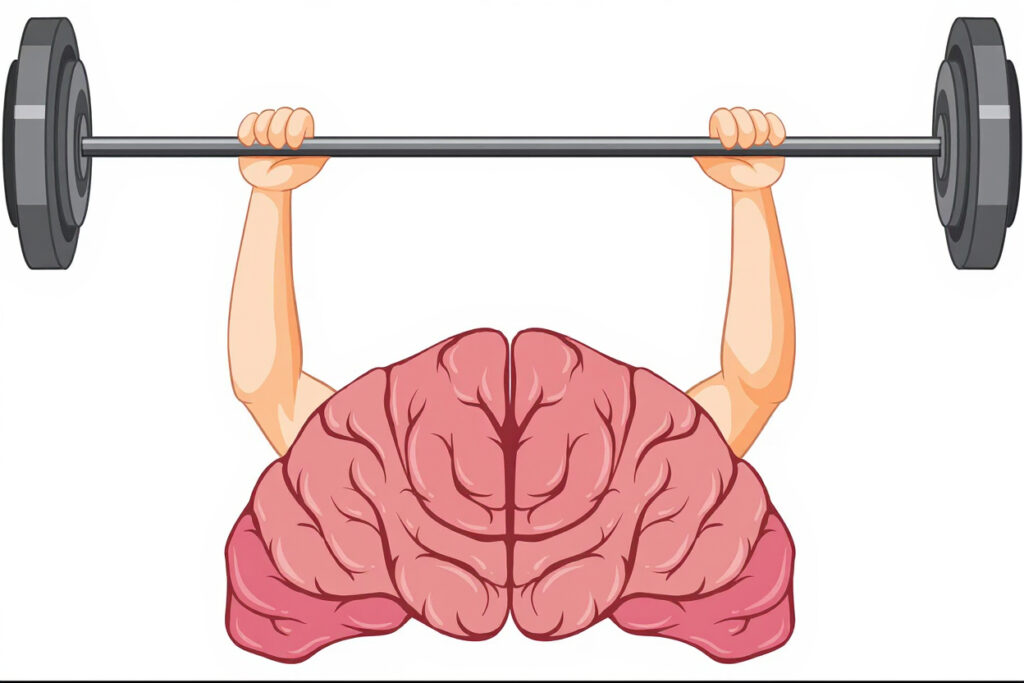
Studies in cognitive psychology show that practicing helps you remember things better.Your brain changes when you train it often.
Ideas like spaced repetition and active recall support this.
They work because they help you find and store information more easily.
Memory training isn’t just about learning more things.
It’s about finding better ways to remember things you already know.
Memory training is useful in real life.
Professionals often use memory training to help them deal with too much information.
It shouldn’t be so hard to remember things when there are meetings, deadlines, and a lot of texting.
Students use it to improve their studying. They remember more without having to study more.
Many adults just want to feel smarter.
Less fog, clearer focus, and more confidence in everyday life.
How StudyFast Works
Not only do programs like StudyFast teach you theory, they also teach you how to use what you learn in real life.
Along with memory training, students learn how to read and concentrate.
This helps people apply what they learn to real life.
Doing things on a regular basis, not just once in a while, makes your memory better.
That hands-on way of doing things usually makes learning easier.
People feel like they’re getting better because they use their skills right away.
Things that take longer because of mistakes
People often make the mistake of expecting results right away.
That usually makes people mad and makes them give up too soon.
Another problem is too much training.
Doing too much at once can be tiring and not helpful.
Not going to review sessions also makes progress slower.
To make your memory stronger, you need to do things over and over again, not just once.
How to Get Things Done Faster
Practice a lot, but only for short amounts of time.
Most of the time, ten to fifteen minutes a day is enough.
Use the techniques at work.
Use them to read, plan, and talk about work.
Don’t worry about being perfect; just keep moving forward.
Small changes over time can lead to big results.

Quick Questions and Answers
How long does it usually take to improve your memory?
Most people notice changes in a few weeks and stronger benefits in one to three months.
Can adults still get better at remembering things?
Yes. Adult brains are still flexible and learn well when they are trained on a regular basis.
Is there a link between memory training and reading quickly?
Yes. You can read faster and understand more if you have a better memory.
Last Thoughts
So, how long does it take to improve your memory?
Long enough to make a difference, but not so long that it seems impossible.
When you do memory training a lot, it becomes a natural part of how you think and act.
It helps you study, stay focused, and feel good about yourself every day.
You’ll see results if you make memory training a regular part of your life instead of just a quick fix. That’s why the time spent is worth it.